Featured
Table of Contents
- – The Shift Towards Distance Intelligence in 2026
- – The Role of AI Browse Optimization (AEO) in Lo...
- – Information Consistency and Entity Authority T...
- – The Advancement of Regional Social Signals and...
- – Technical Hygiene for Proximity Browse Optimiz...
- – Future-Proofing Resident Presence for 2027 and...
The Shift Towards Distance Intelligence in 2026
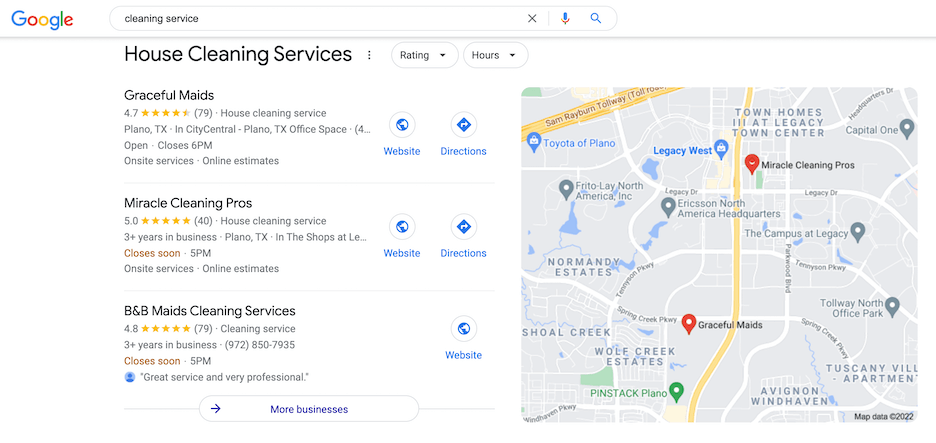
Regional search has actually moved far beyond the period of static company listings. In 2026, the digital environment for companies in major metropolitan areas is defined by hyper-local distance search optimization. Browse engines have changed conventional directory site results with advanced AI agents that prioritize real-time information, physical range, and validated entity authority. For companies managing dozens or hundreds of locations, the old techniques of bulk uploading spreadsheets no longer suffice. Maintaining a presence in the surrounding region requires an integrated technique to Google Organization Profile (GBP) management that treats each store as a distinct, data-rich entity.
Customer habits has actually transitioned from broad intent to immediate fulfillment. A user in the local market does not just look for a service supplier-- they engage with an AI-driven user interface that anticipates their needs based upon existing location, past choices, and live availability. This change suggests that distance is no longer almost a zip code. It has to do with the ability of an organization to signal its significance to the online search engine in the exact minute a question is made. Many companies now invest greatly in Martech News to ensure their digital footprint matches their physical reality throughout every area they serve.
The Role of AI Browse Optimization (AEO) in Local Markets
As online search engine lean into Generative Engine Optimization (GEO) and AI Search Optimization (AEO), the structure of a GBP listing has actually ended up being the foundation for how AI designs perceive a brand name. Steve Morris, CEO of NEWMEDIA.COM, has actually regularly observed in 2026 market panels that "the profile is the curriculum the AI utilizes to discover your organization." NEWMEDIA.COM, which runs from centers like Denver, Nashville, and NYC, has seen a shift where search engines prioritize companies that offer granular, location-specific content. This goes beyond address and contact number. It includes localized service descriptions, neighborhood-specific updates, and high-resolution images that shows the particular character of a branch in the local community.
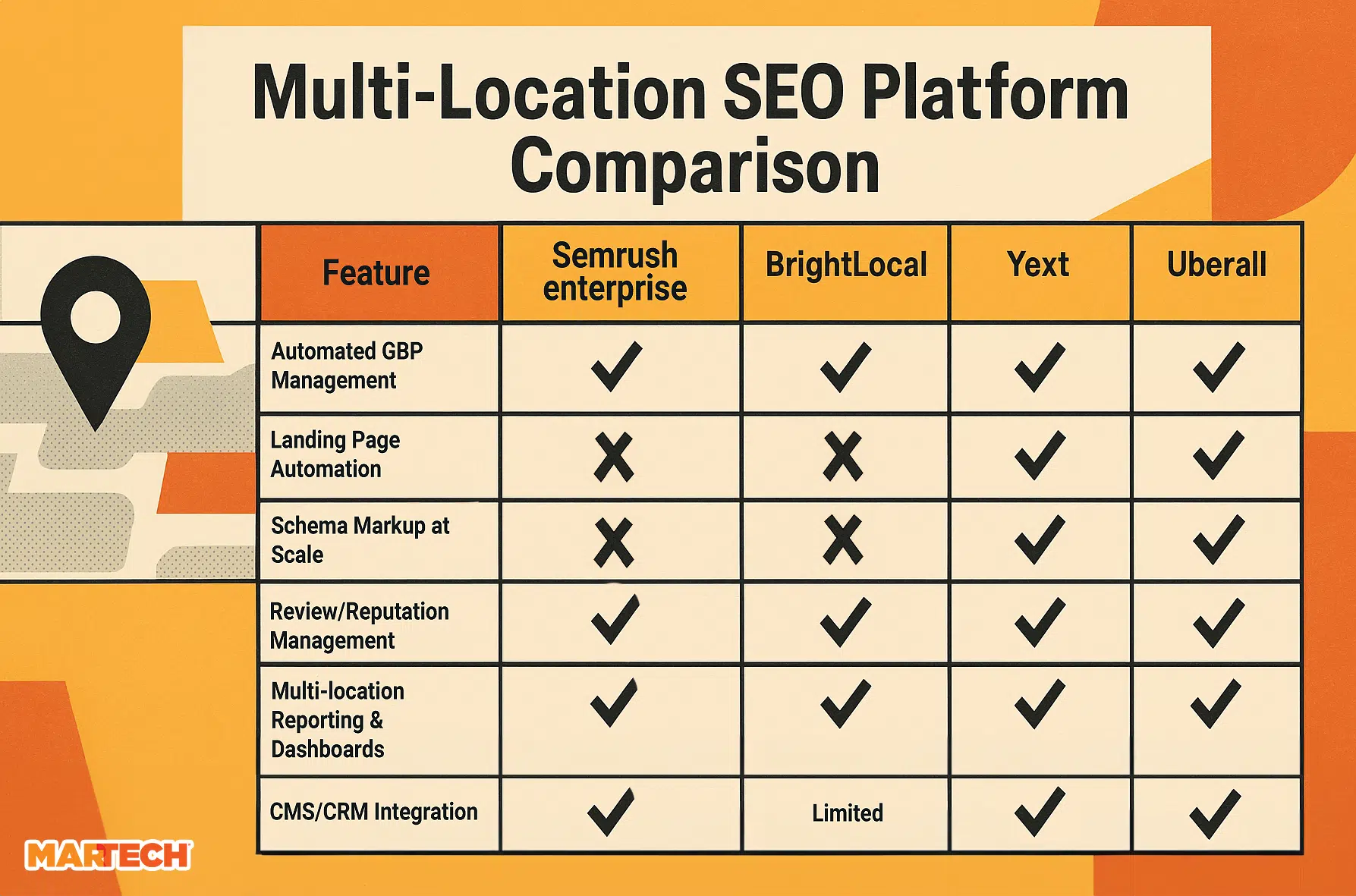
To manage this intricacy, brand names are moving away from manual updates. Nationwide Local Service Areas has become important for modern companies that require to scale their visibility without losing the subtlety of local engagement. Platforms like RankOS offer the infrastructure to manage these signals at scale, making sure that a storefront in its respective city maintains the same information integrity as a flagship area in Los Angeles or Miami. The goal is to feed the AI search agents a constant stream of confirmed facts that verify business is the most relevant response for a nearby user.
Information Consistency and Entity Authority Throughout the Region
One of the most significant obstacles in 2026 is maintaining entity authority. Google now looks for corroborating proof across the web to verify the information found on a GBP. If a business listing in the metro area declares particular hours or services, however third-party platforms, social networks, or the business's own site recommend otherwise, the AI might demote that place in proximity outcomes. This is particularly challenging for multi-location brands where regional managers may take liberties with their particular branch's online presence.
Central management with local flexibility is the requirement for 2026. Business looking for Marketing News for Technology find that the most successful techniques involve a "center and spoke" model. The main marketing team sets the brand name requirements and technical SEO specifications, while AI tools or local teams offer the hyper-local context that online search engine yearn for. This might include posting about a regional event in the local area or reacting to evaluations with specific discusses of local landmarks and neighborhood needs. This level of information validates to browse algorithms that business is an active, integrated part of the local community.

The Advancement of Regional Social Signals and Evaluations
Reviews have actually always mattered, but in 2026, their function in distance search has altered. AI representatives now "check out" and manufacture review material to address complex natural language queries. A searcher may ask their device to "find a location nearby with a quiet atmosphere and fast Wi-Fi that is open past 9 PM." The AI does not just look for the "Wi-Fi" keyword; it examines the sentiment and particular points out in current evaluations for a place in the urban center.
Effective GBP management now includes a strategy for generating premium, descriptive feedback from consumers in the local region. Companies need to encourage clients to be particular in their praise. A review that points out a specific service or a distinct feature of the local branch carries considerably more weight in the 2026 proximity algorithm than a generic luxury score. These signals function as a trust layer, validating the claims made by the organization in its main profile. NEWMEDIA.COM highlights that this "social proof" is a primary aspect in the RankOS exposure ratings for multi-location clients.
Technical Hygiene for Proximity Browse Optimization
Technical aspects of GBP management in 2026 need constant monitoring. Characteristics that were as soon as optional, such as live stock combination and real-time wait times, are now expected. For a retail brand name in the surrounding territory, having a GBP that shows real stock levels can be the difference in between a click and a skip. Google's AI prioritizes "inventory-aware" listings since they provide a better user experience, decreasing the likelihood that a consumer travels to a shop just to find a product out of stock.
Secondary classifications and qualities need to likewise be meticulously handled. As search ends up being more conversational, users are trying to find particular information like "wheelchair accessible entrance" or "pet-friendly seating." In 2026, these are not simply checkboxes but important data points that figure out whether a location appears in a filtered AI reaction. Brands must guarantee that every area in the local market has these qualities submitted and routinely upgraded to show any changes in the physical space.
Future-Proofing Resident Presence for 2027 and Beyond
As we move through 2026, the integration of increased truth (AR) and wearable technology is more affecting distance search. A pedestrian strolling through a busy downtown area may see company information overlaid on their vision through AR glasses. This data is pulled directly from the GBP. If the details is inaccurate or the profile is inadequately optimized, business becomes invisible in this new layer of truth. Steve Morris and the team at NEWMEDIA.COM emphasize that the work done today in the region to tidy up and improve local data is a financial investment in the next stage of digital interaction.
The shift toward a fully AI-mediated search experience indicates that the "top three" map pack has actually developed into the "single best response" or a curated "leading choice" list. Just businesses that have mastered the subtleties of multi-location management and proximity optimization will stay competitive. Success requires a mix of technical accuracy, local authenticity, and using advanced platforms to manage the enormous volume of data created by a modern-day business. Whether operating in Dallas, Atlanta, or the local market, the focus needs to remain on offering search engines with the most accurate, prompt, and pertinent information possible to serve the instant requirements of the regional customer in this nation.

Table of Contents
- – The Shift Towards Distance Intelligence in 2026
- – The Role of AI Browse Optimization (AEO) in Lo...
- – Information Consistency and Entity Authority T...
- – The Advancement of Regional Social Signals and...
- – Technical Hygiene for Proximity Browse Optimiz...
- – Future-Proofing Resident Presence for 2027 and...
Latest Posts
Top Local Marketing Trends for the Future
How GEO or AI Impact Local Search
Mastering Your Near Me Query Landscape for 2026
More
Latest Posts
Top Local Marketing Trends for the Future
How GEO or AI Impact Local Search
Mastering Your Near Me Query Landscape for 2026